In the life
Aya Brown
Jun20–Jul312026
Aya Brown’s Grandma's storefront church said it one way. Black queer folks say it another. Aya Brown means both, out loud, on a bedsheet. Queen-sized.
Brown’s grandmother practically ran that church in Brooklyn. “Not the preaching but the gathering, the way Black women do,” said Brown. “Sundays the whole block walked in heavy and left seen.” Brown has been building up that room ever since. This show is her latest one.
Brown pulled the title from the old Black way of asking, are you “in the life” (aka are you gay or lesbian)? But it also reminds me of my own introduction to Black queer life in Philly by Joseph Beam in the early 1980s. Beam edited a book of 29 Black gay writers called “In the Life” (1986), the first of its kind dedicated to the culture of Black gay men. An anthology of a moment. With this show, Brown is making one too, this time for Black queer women.
Start with Brown’s painting A Hunnid Proof (Five Dykes In A Liquor Store). Ninety inches of linen bedsheet. No precious canvas, because canvas is a racket, and a sheet is where the bodies are anyway. They clock you first. Posing, sure, but honest with it, holding the look as long as you do. Or Brown’s collage Untitled, 2024, which is cut into and rebuilt by Brown’s hand until the record of two Black women fucking belonged to her present moment.
Underneath all of it, the real subject: pleasure. Black lesbian pleasure, female pleasure, queer Black women’s bodies that want and get to want, no apology. In Uses of the Erotic, Audre Lorde named the erotic a power that women are trained to fear, and wrote that once in touch with it, she became "less willing to accept powerlessness." That's the whole show. Brown never got the memo to be ashamed. Her work in In the life is powerful.
I did it for myself too. When the visual archive of Black women loving Black women came up empty, I built it myself and called it The Watermelon Woman, because somebody had to. Every generation writes its own In the life. Beam's was 1986. Mine came on film in 1996. Brown's is the life of right now. Same revolution, new form, and this time not a hardship. A birthright.
Ask what Brown wants from this show and she won't say sales. She wants her aunt, “the only other dyke in the family, who came through the AIDS and crack years, to stand here and watch her niece live free.” She wants the Black lesbians depicted in her work who've never set foot in a gallery to “walk in and feel seen.” It matters now, as books are banned, archives scrubbed, and we are legislated out of the record one statehouse at a time. Beam's old line is vital now: “visibility is survival.” Brown has created that with her first solo show, In the life. Come get seen.
– Cheryl Dunye
Aya Brown (b. 1995) is a Brooklyn-based artist whose painting and drawing practice centers on Black community life, intimacy, and everyday care. Working from family photographs, personal archives, and people within her immediate circles, Brown renders her subjects through familiarity rather than distance. She gained wider recognition for her 2020 Essential Workers Series, colored pencil portraits on brown kraft paper honoring Black and Brown essential workers in New York during the COVID-19 pandemic.
Selected Works
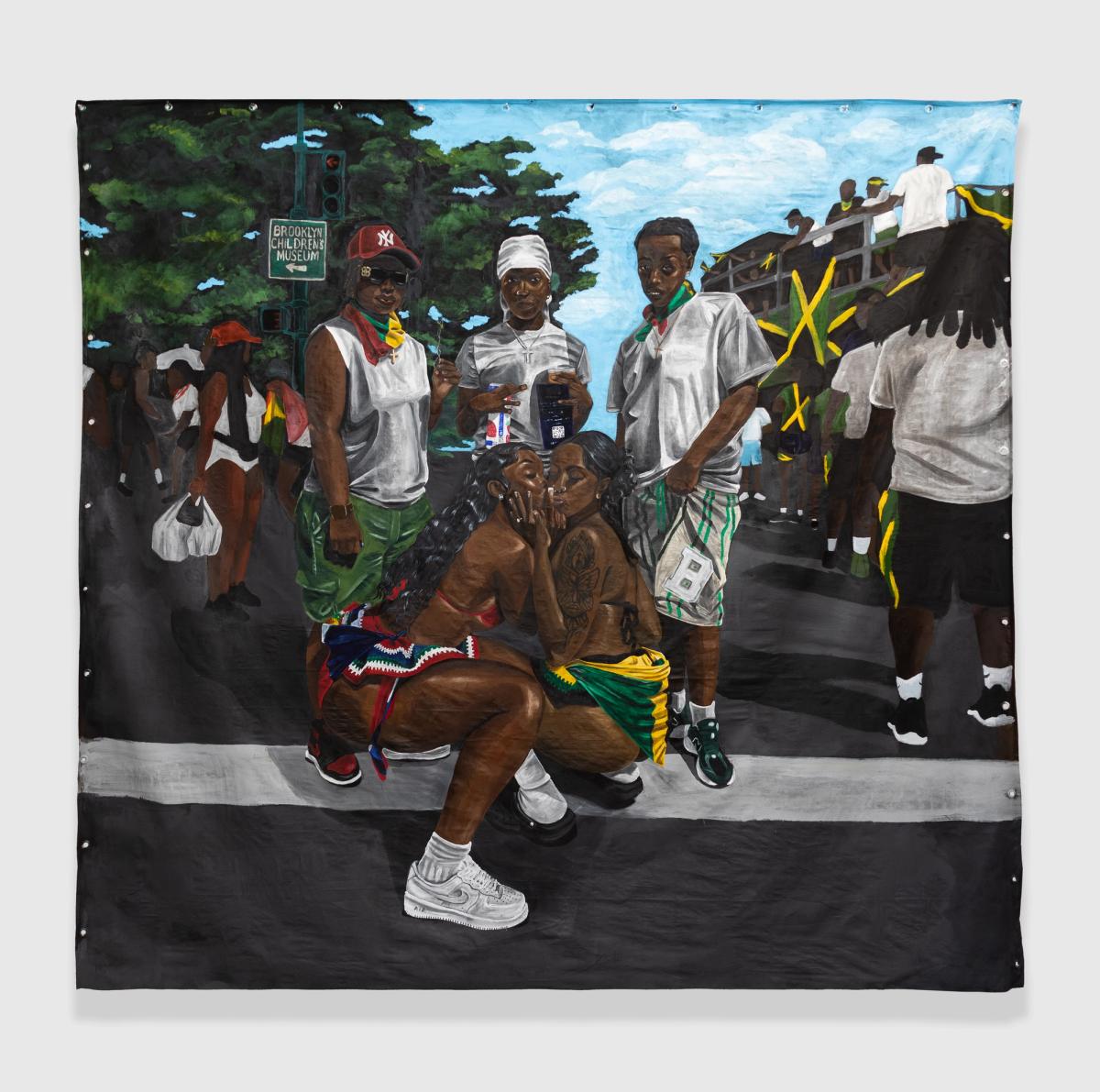
Aya Brown
LINK ON THE PARKWAY,
2026
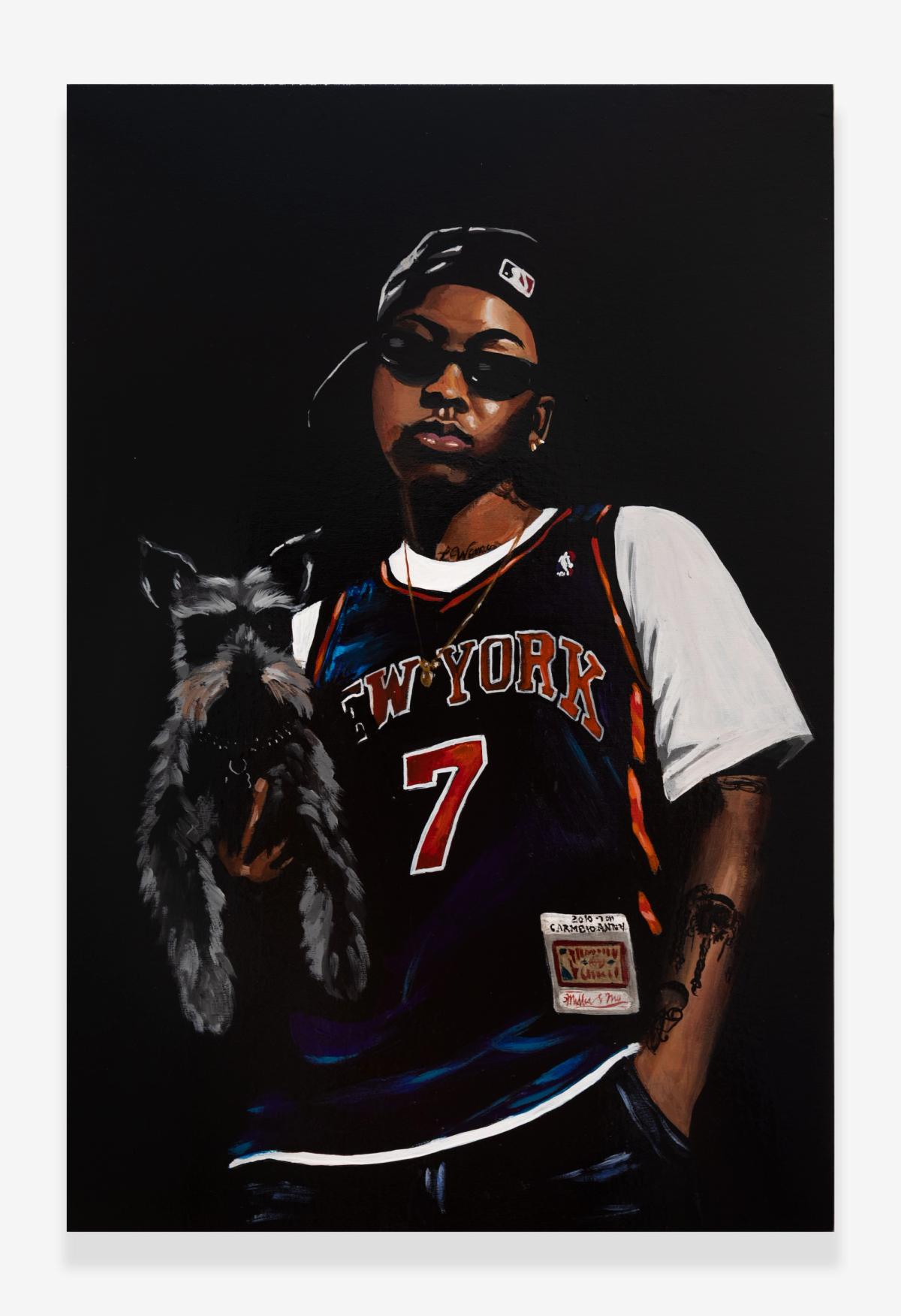
Aya Brown
Aya Brown Self Portrait,
2026
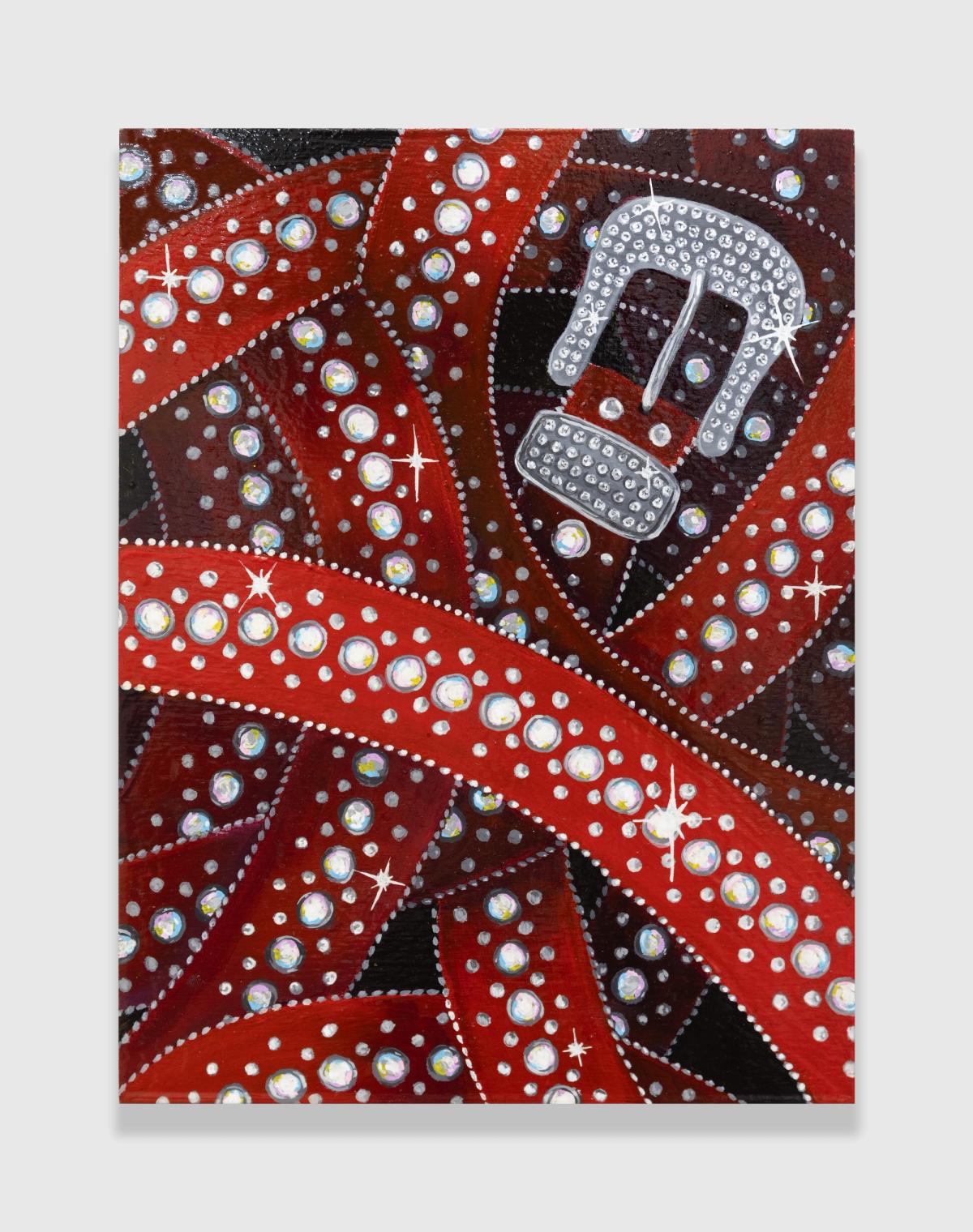
Aya Brown
BB MAZE RED,
2024
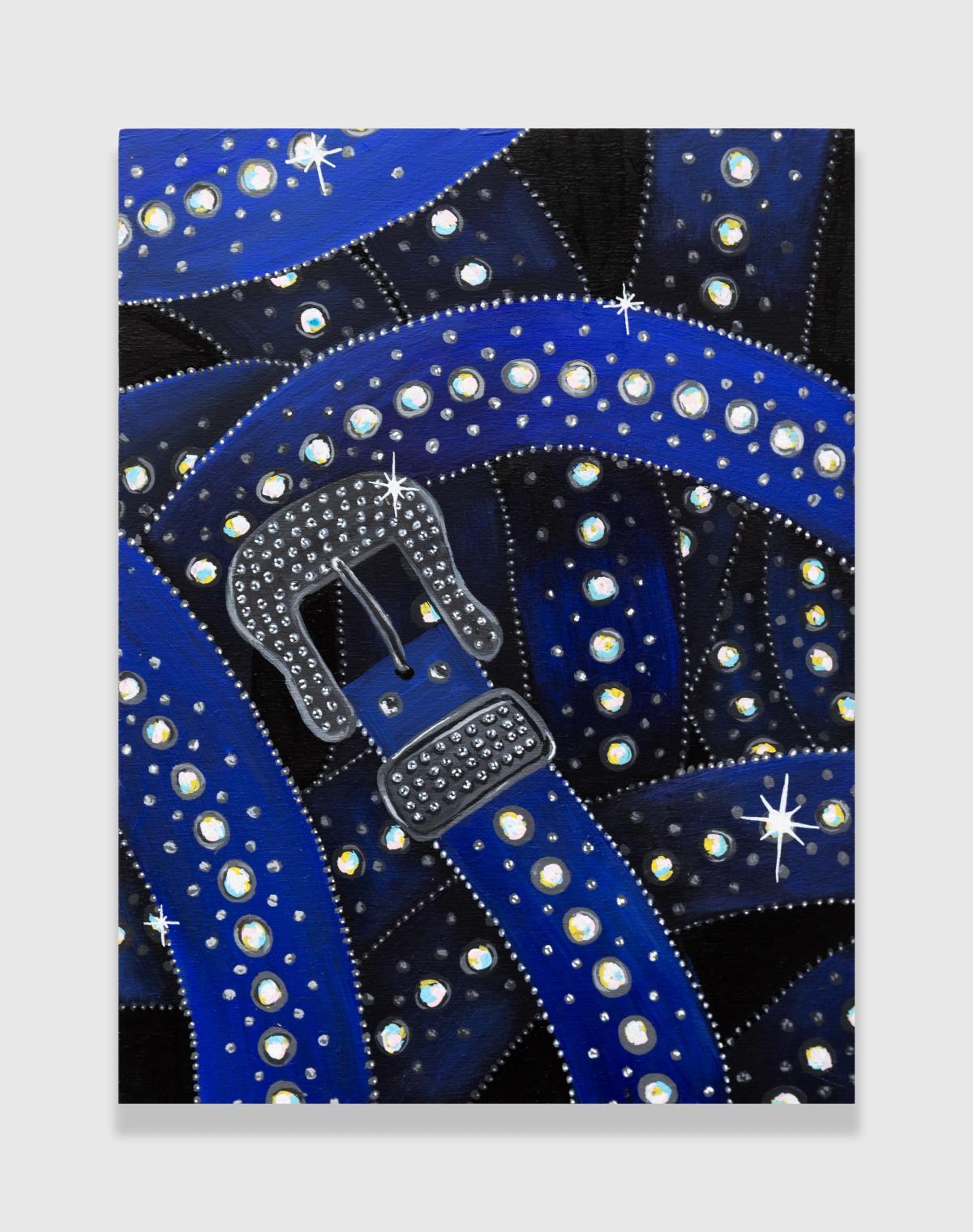
Aya Brown
BB MAZE BLUE,
2026
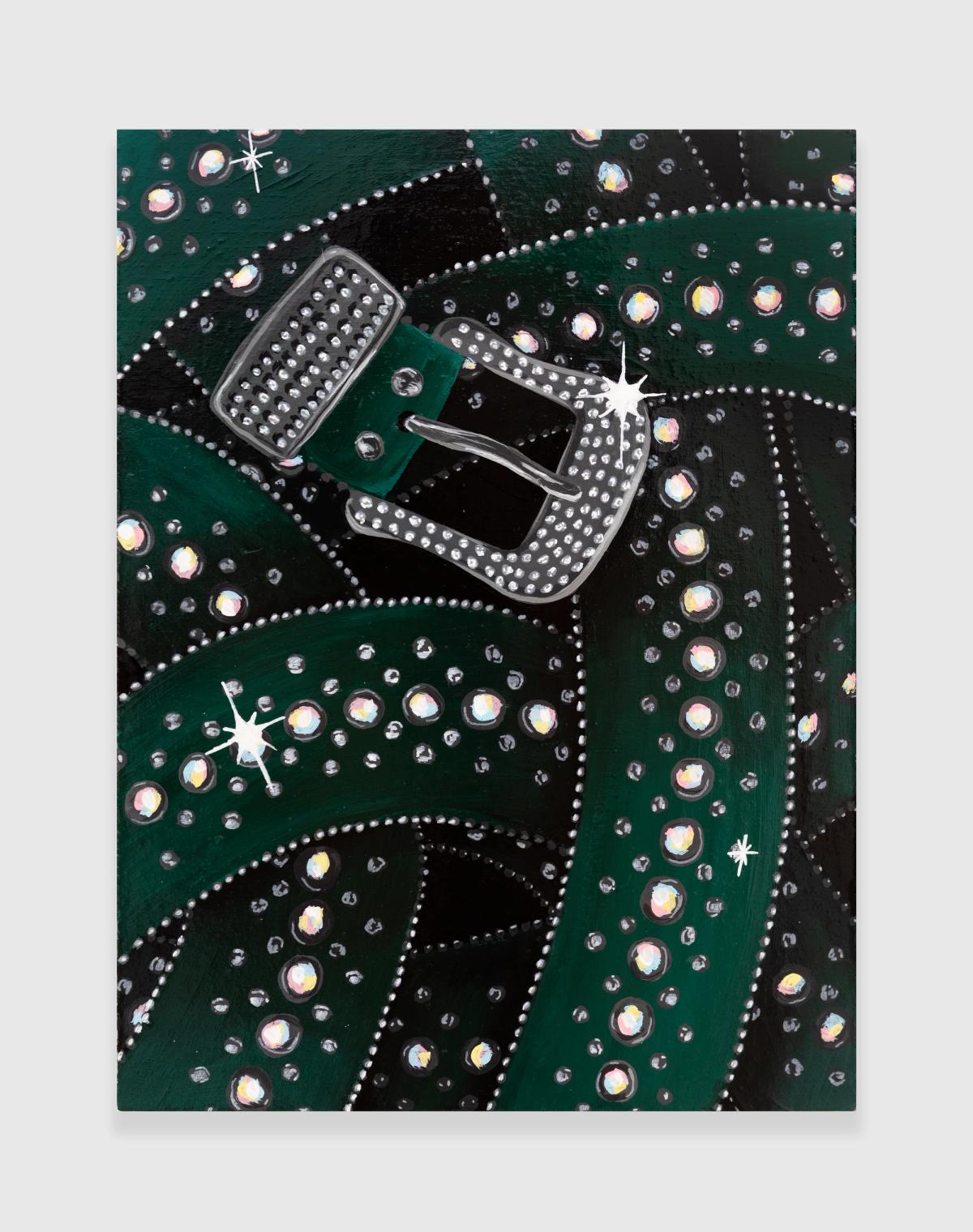
Aya Brown
BB MAZE GREEN,
2026
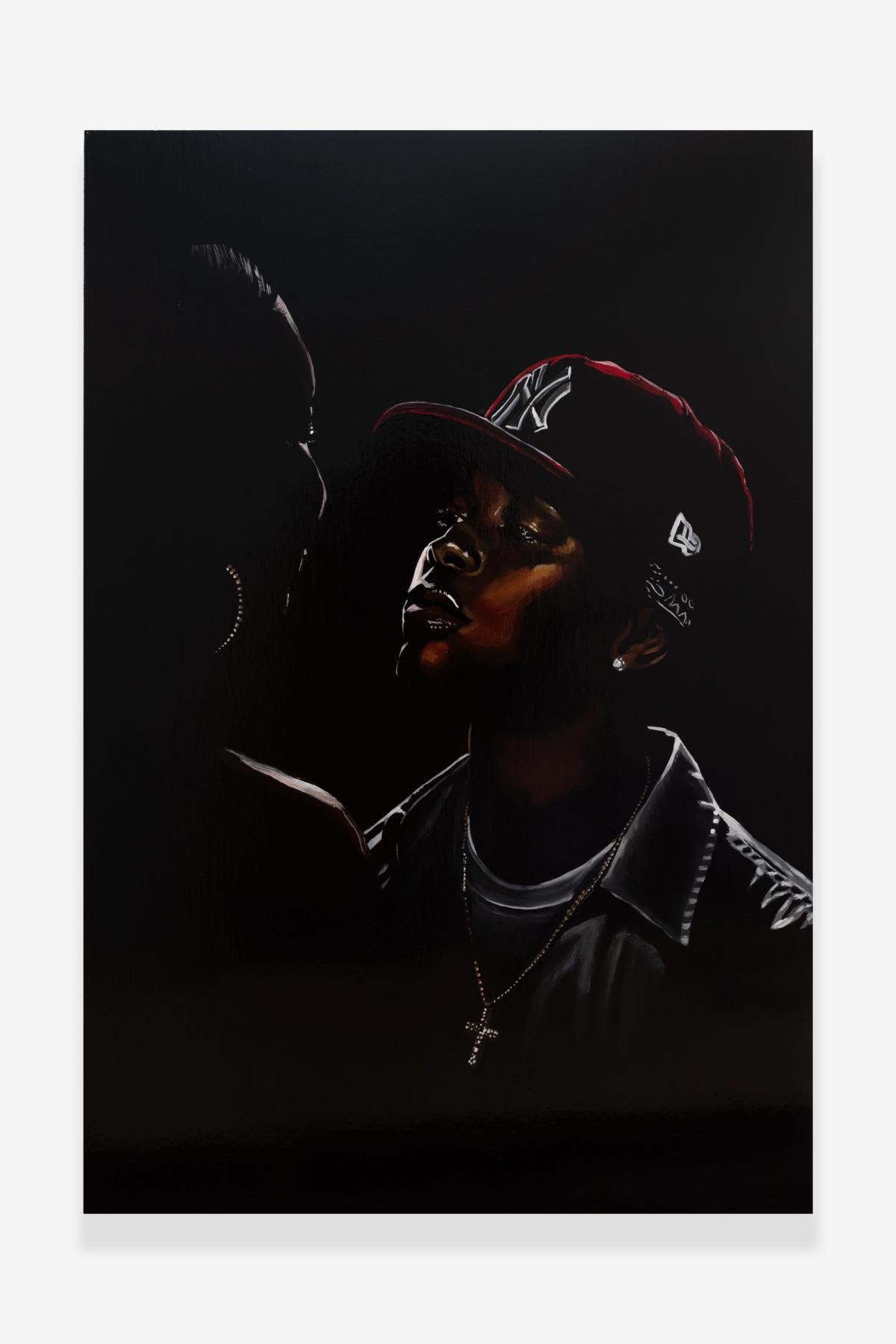
Aya Brown
You got that look in your eyes,
2026
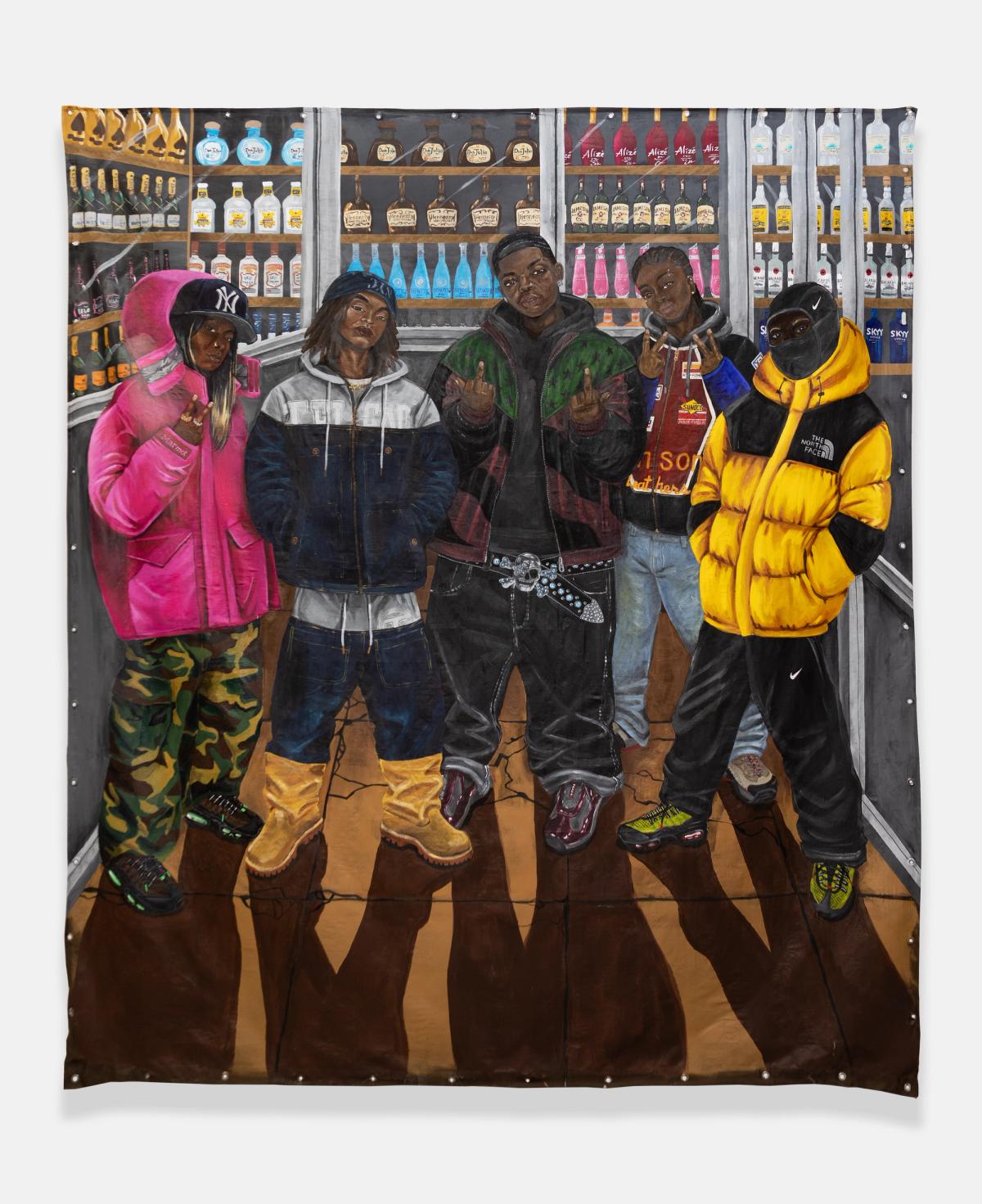
Aya Brown
A HUNNID PROOF (5 DYKES IN A LIQUOR STORE),
2026
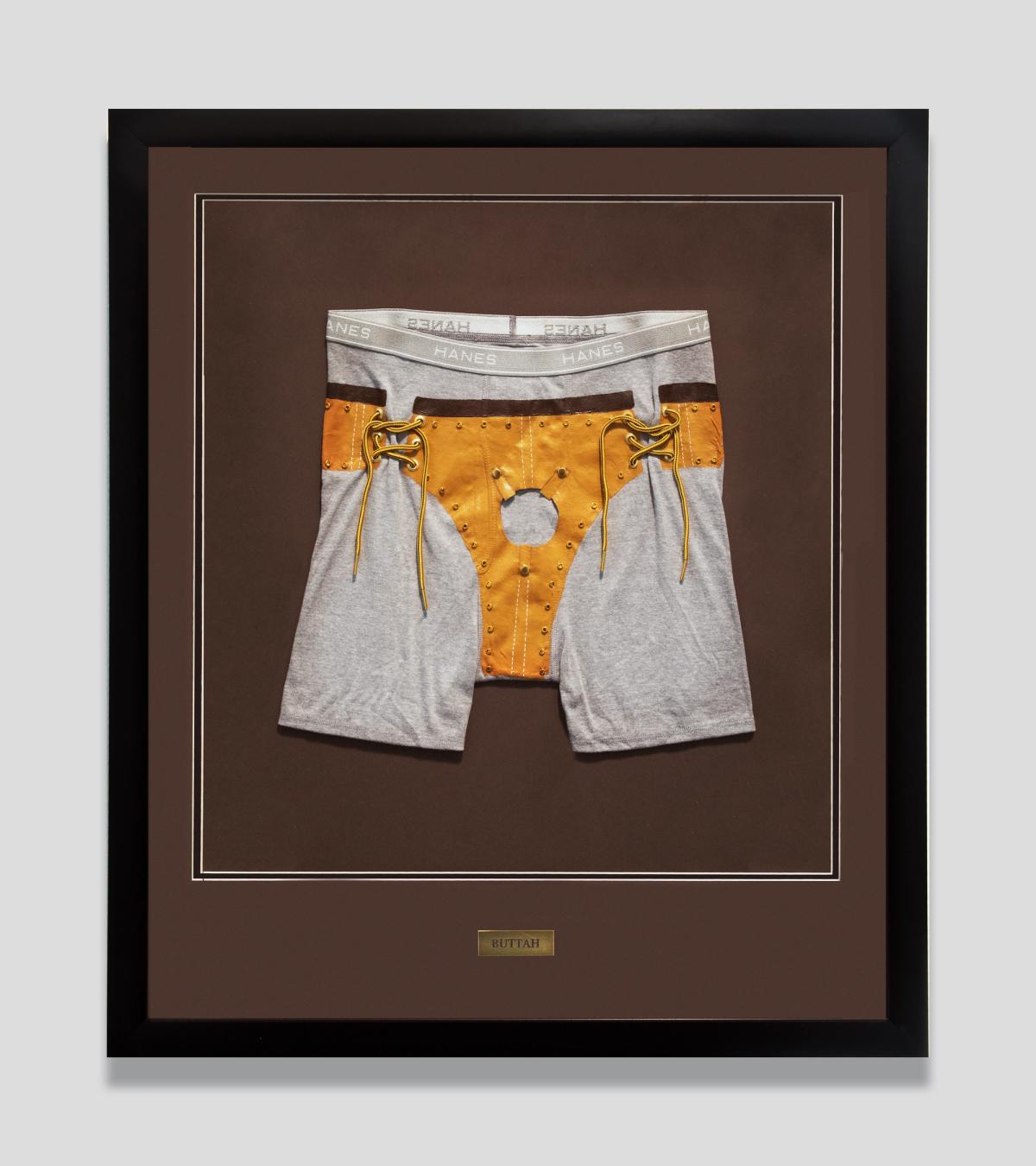
Aya Brown
BUTTAH,
2026
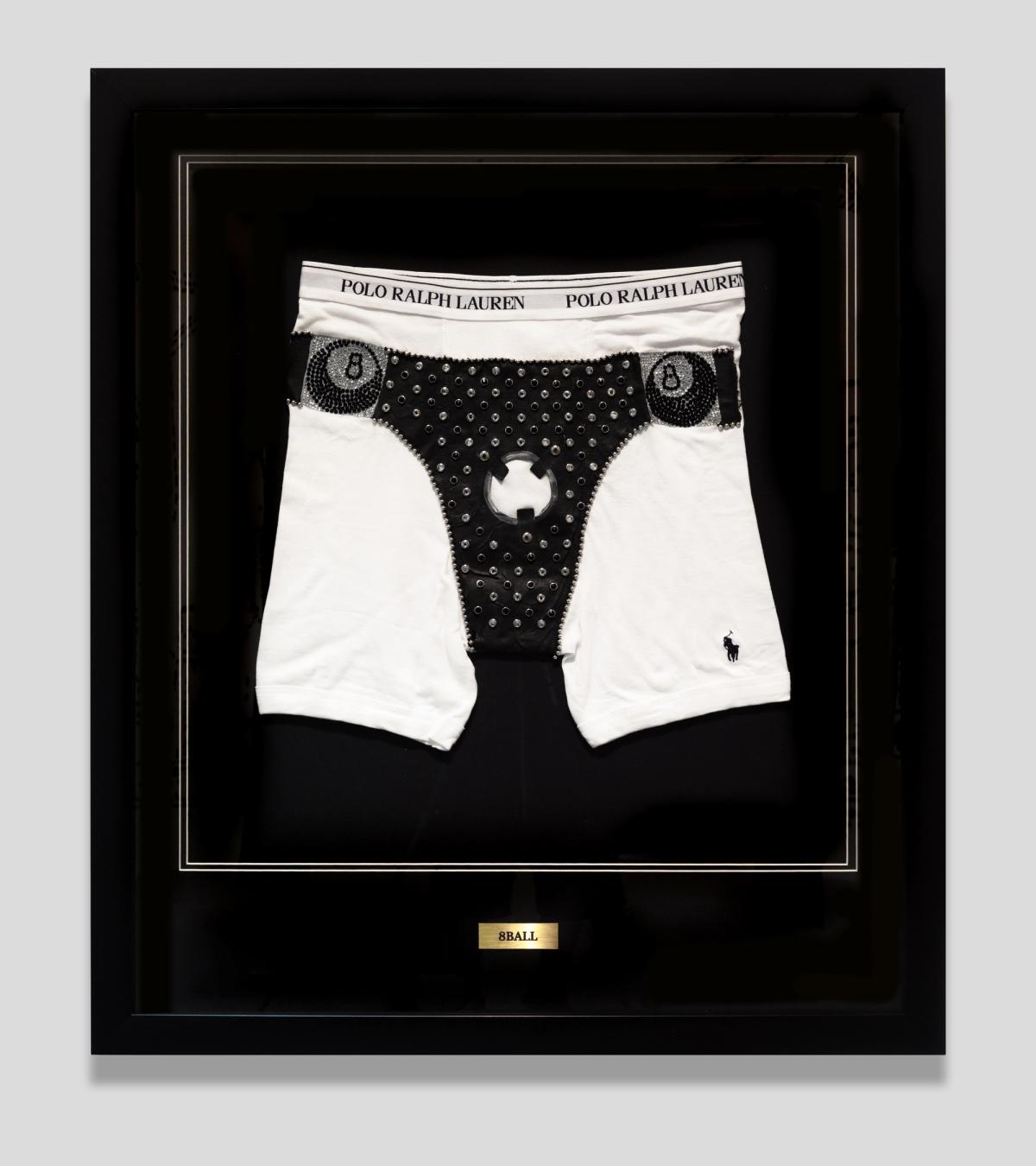
Aya Brown
8BALL,
2026
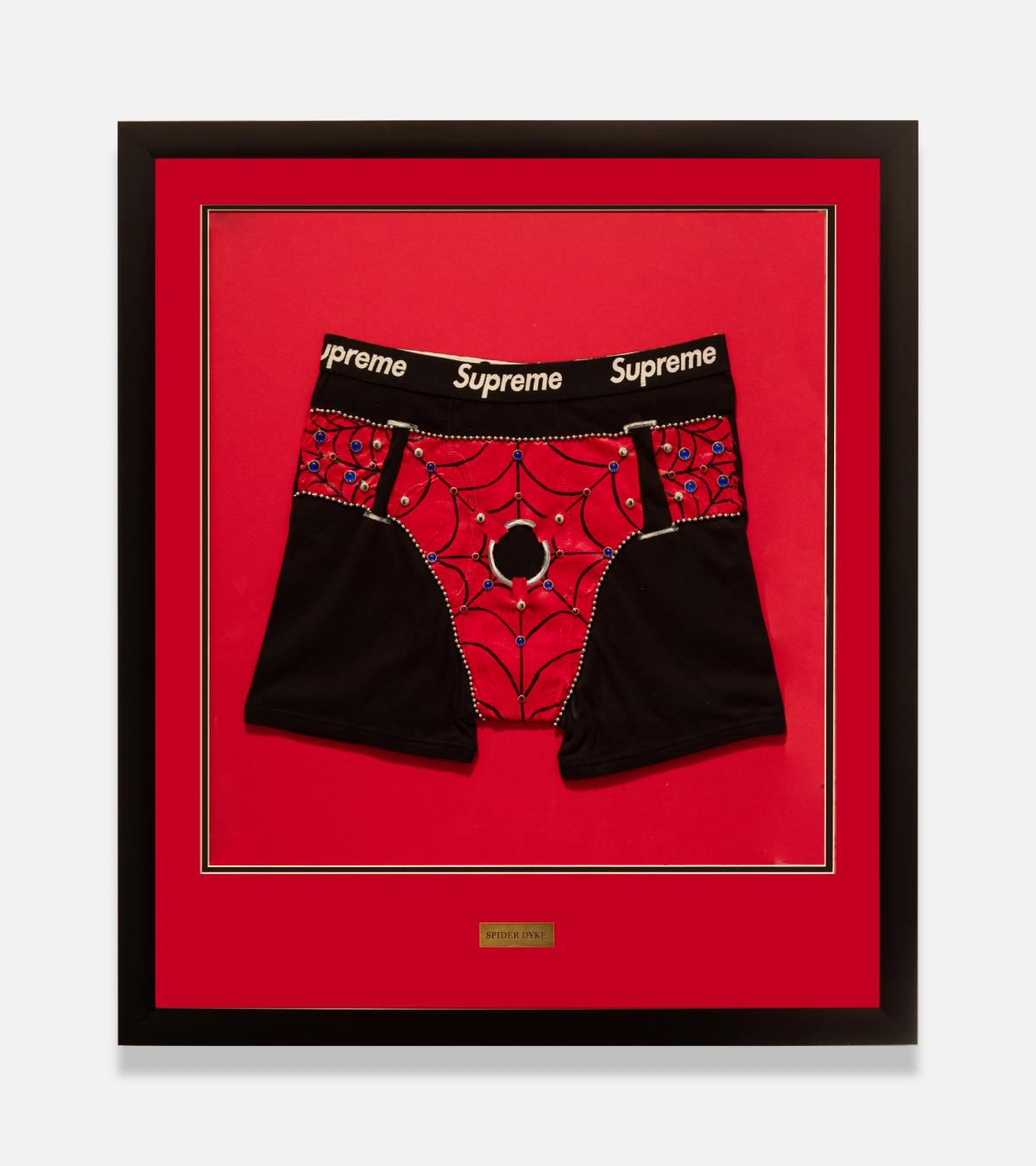
Aya Brown
SPIDER DYKE,
2026
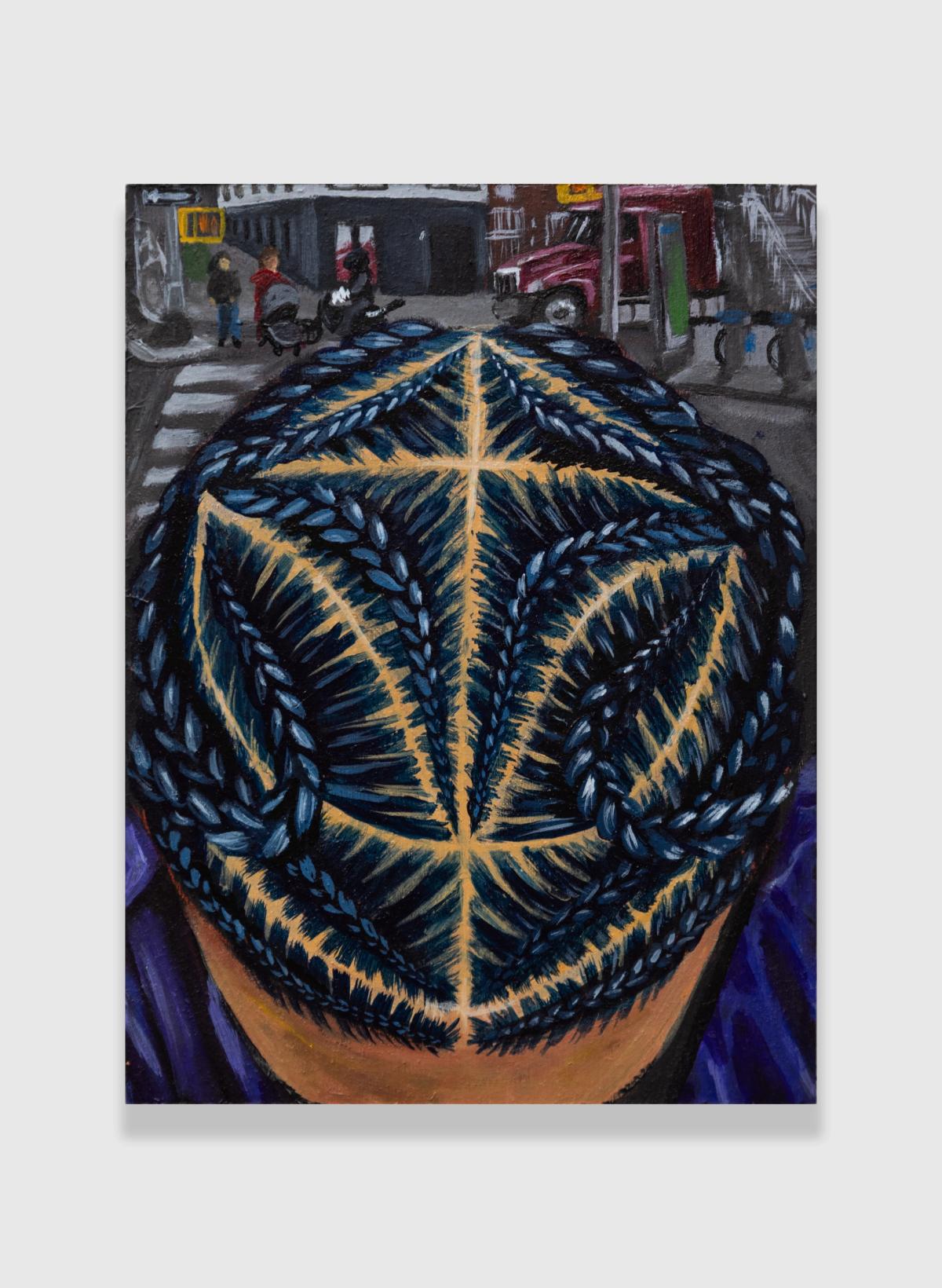
Aya Brown
Hair by Olive,
2026
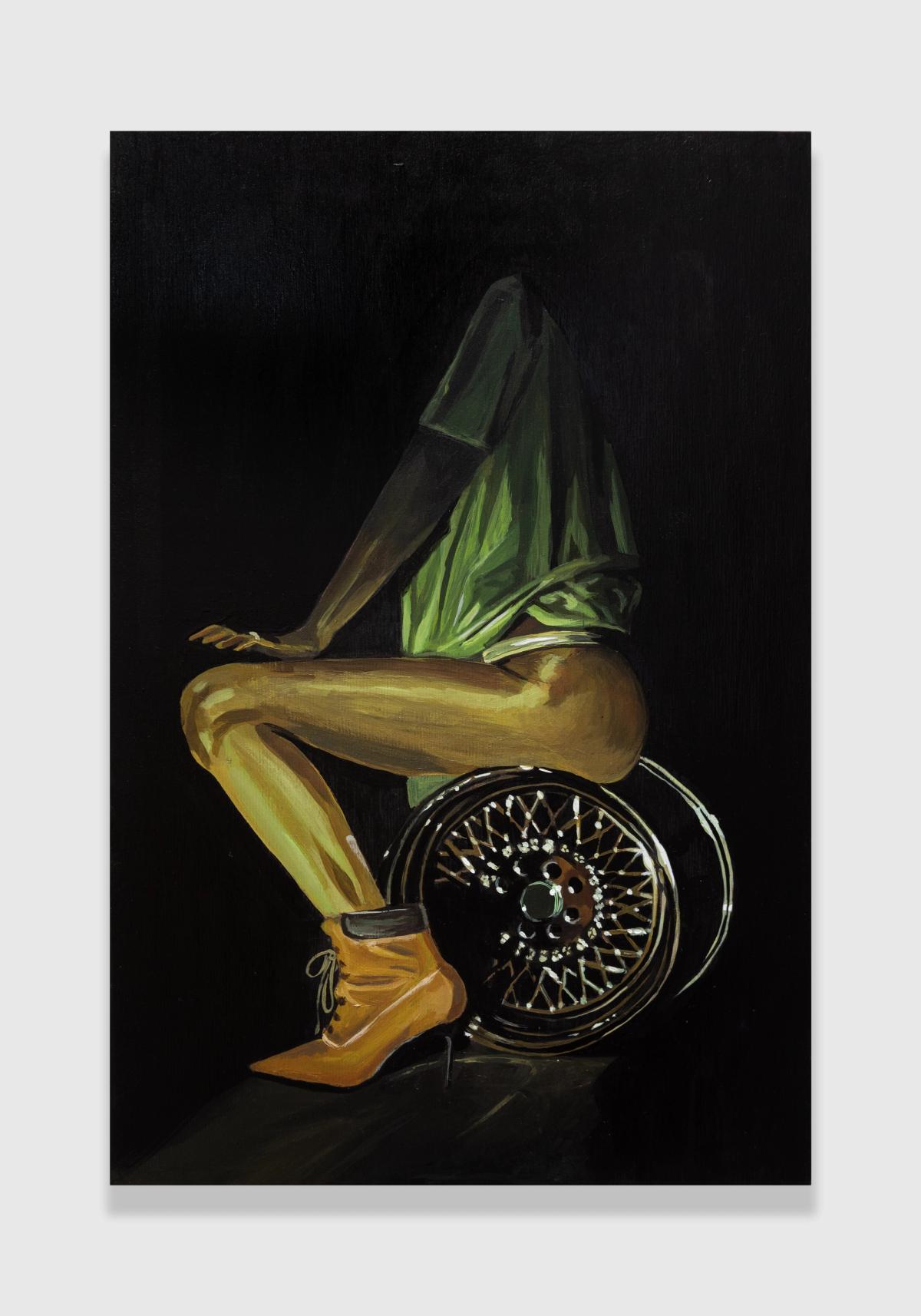
Aya Brown
Peaches (Confessions of Peaches, the Vixen),
2026
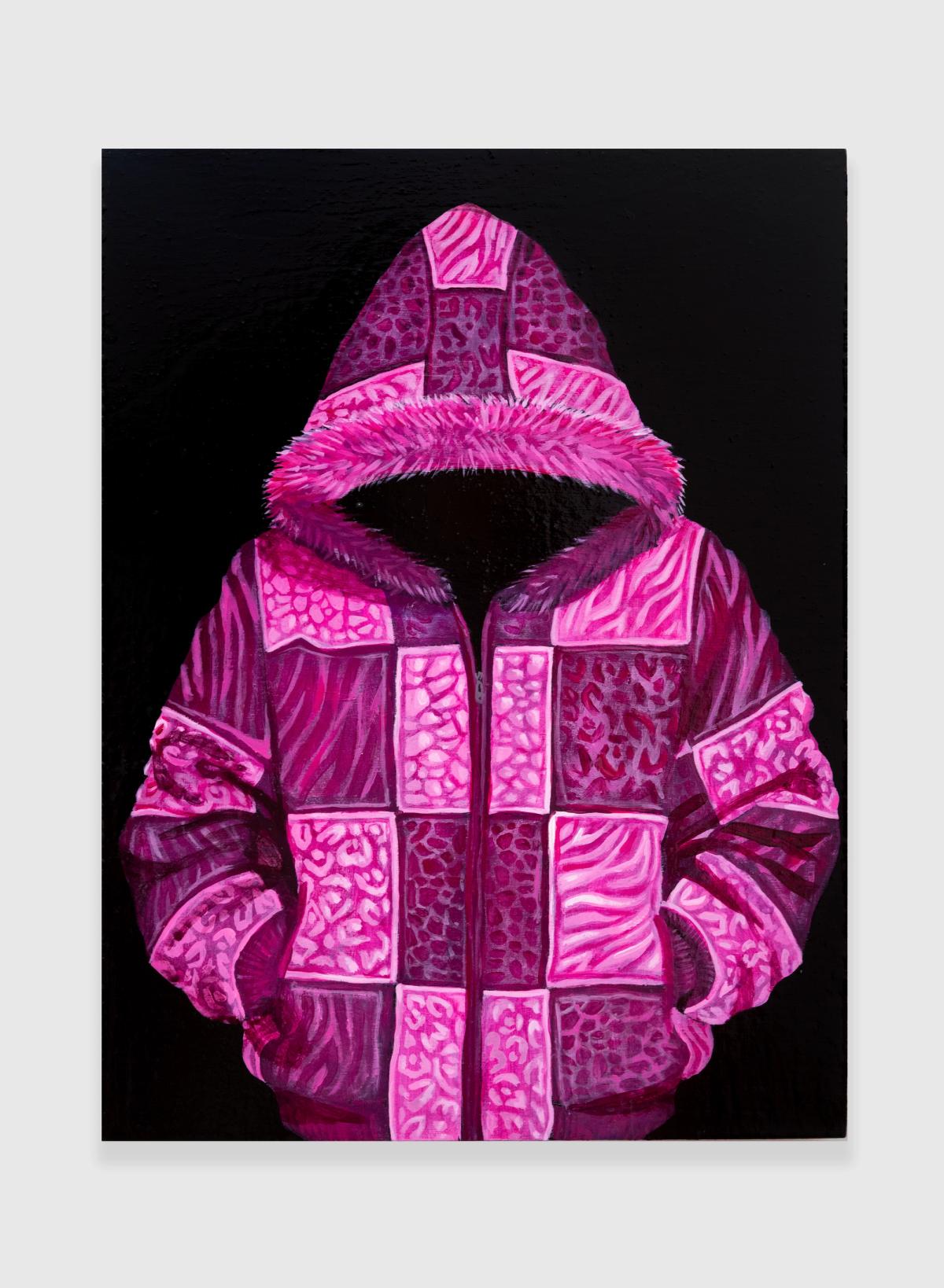
Aya Brown
EBAY WATCHLIST #2,
2026
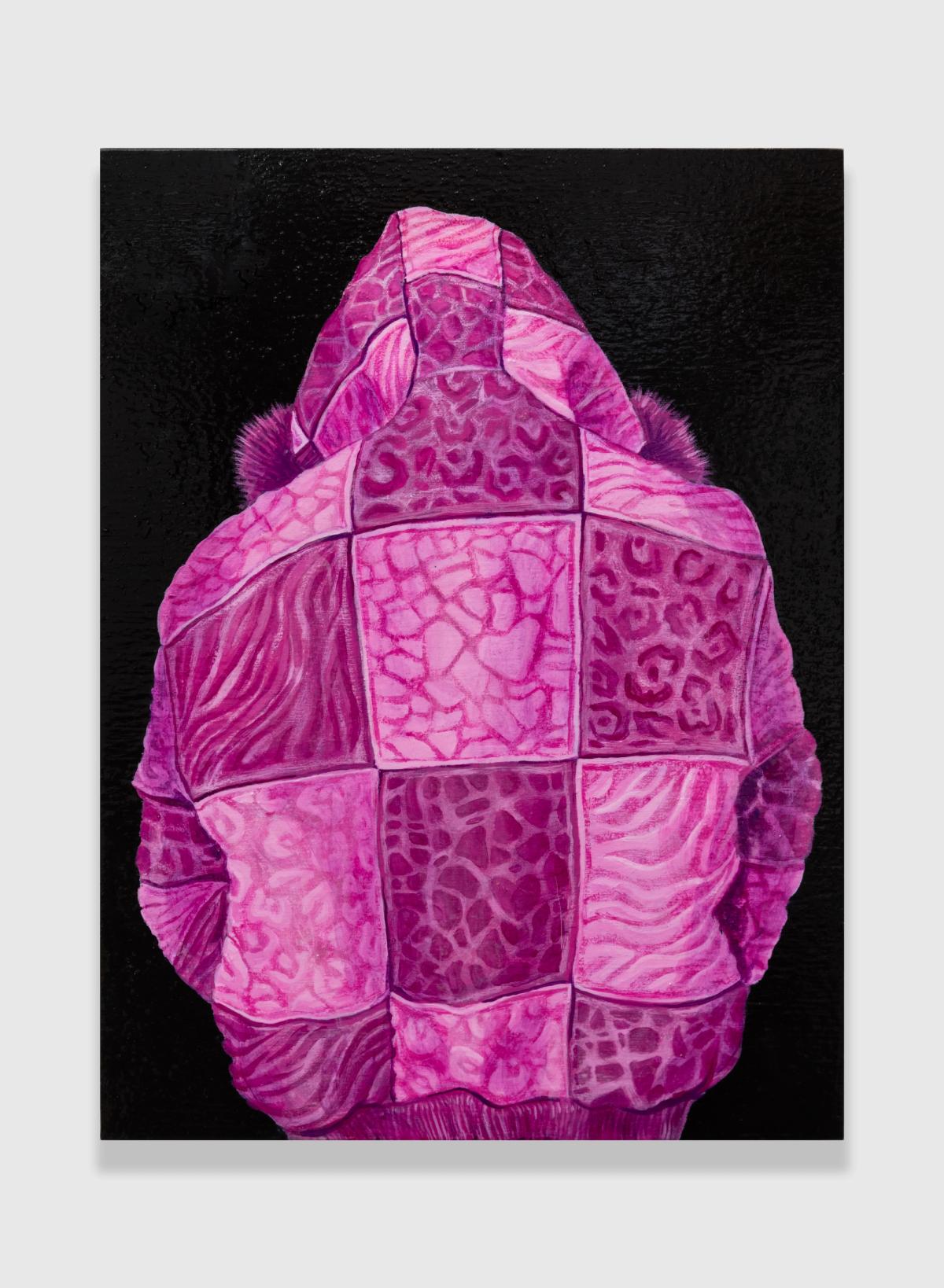
Aya Brown
EBAY WATCH LIST #1,
2024